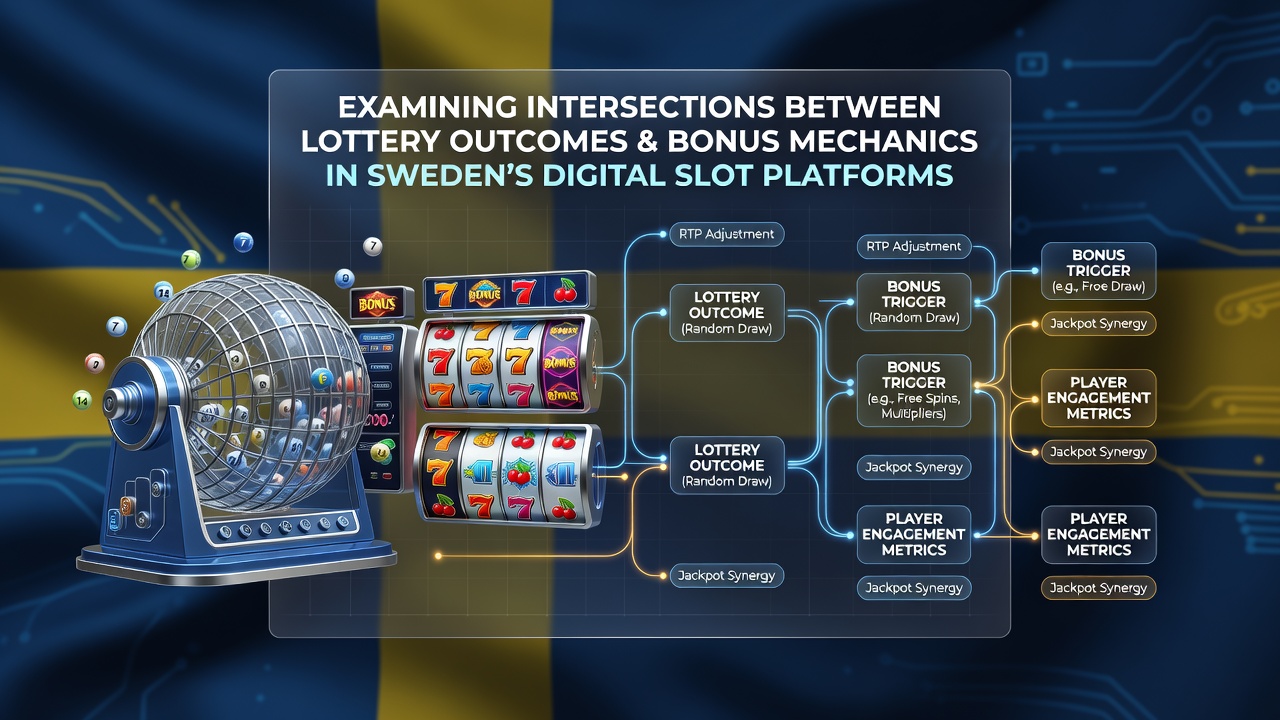
Examining Intersections Between Lottery Outcomes and Bonus Mechanics in Sweden's Digital Slot Platforms
Sweden's regulated online gambling market operates under strict licensing rules that shape how digital slot platforms combine elements from traditional lottery systems with modern bonus structures, and observers note this creates distinct patterns in player engagement metrics. Platforms must adhere to requirements from Spelinspektionen while integrating random number generators that mirror lottery probability models, which means bonus triggers often rely on the same underlying algorithms used for draw-based outcomes. Data from industry reports shows these intersections influence everything from free spin allocations to progressive jackpot contributions, especially as operators adjust mechanics to comply with updated standards in 2026.
Lottery Foundations in Digital Slot Design
Swedish digital slots frequently incorporate lottery-style elements such as numbered symbol selections or tiered prize draws that activate during base gameplay, and researchers have documented how these features draw directly from probability distributions seen in national lottery systems. Operators design these components so that bonus eligibility depends on matching specific combinations, which creates statistical overlaps where the likelihood of triggering a bonus round aligns closely with typical lottery win rates reported in European gaming studies. In September 2026, platform updates reflected new reporting requirements that track these intersections more precisely, allowing authorities to monitor how lottery-derived mechanics affect overall payout ratios across licensed sites.
Bonus Mechanics and Their Structural Ties to Lottery Probabilities
Bonus features on Swedish platforms range from multiplier ladders to pick-and-win rounds, yet each type integrates probability thresholds that echo lottery mechanics through fixed or variable odds calculations. Those who analyze game mathematics point out that a bonus round's activation rate often uses the same seed values and distribution curves found in lottery simulations, which ensures compliance with fairness audits while delivering varied player experiences. External data from the European Gaming and Betting Association indicates these ties help maintain transparency, as operators must publish return-to-player figures that account for both standard spins and bonus contributions in combined models.
Regulatory Oversight and Data Reporting Requirements
Spelinspektionen mandates detailed logging of all random events, which includes bonus activations that intersect with lottery-like draws, and this framework forces platforms to separate base game statistics from bonus-enhanced outcomes for annual reviews. Companies submit reports that highlight correlations between high-value lottery draws and bonus frequency spikes, providing regulators with insights into market stability. One analysis from a Canadian research institute on international gambling systems revealed similar patterns in regulated environments, where bonus mechanics tied to lottery probabilities helped reduce variance complaints among users.
Statistical Overlaps Observed Across Platforms
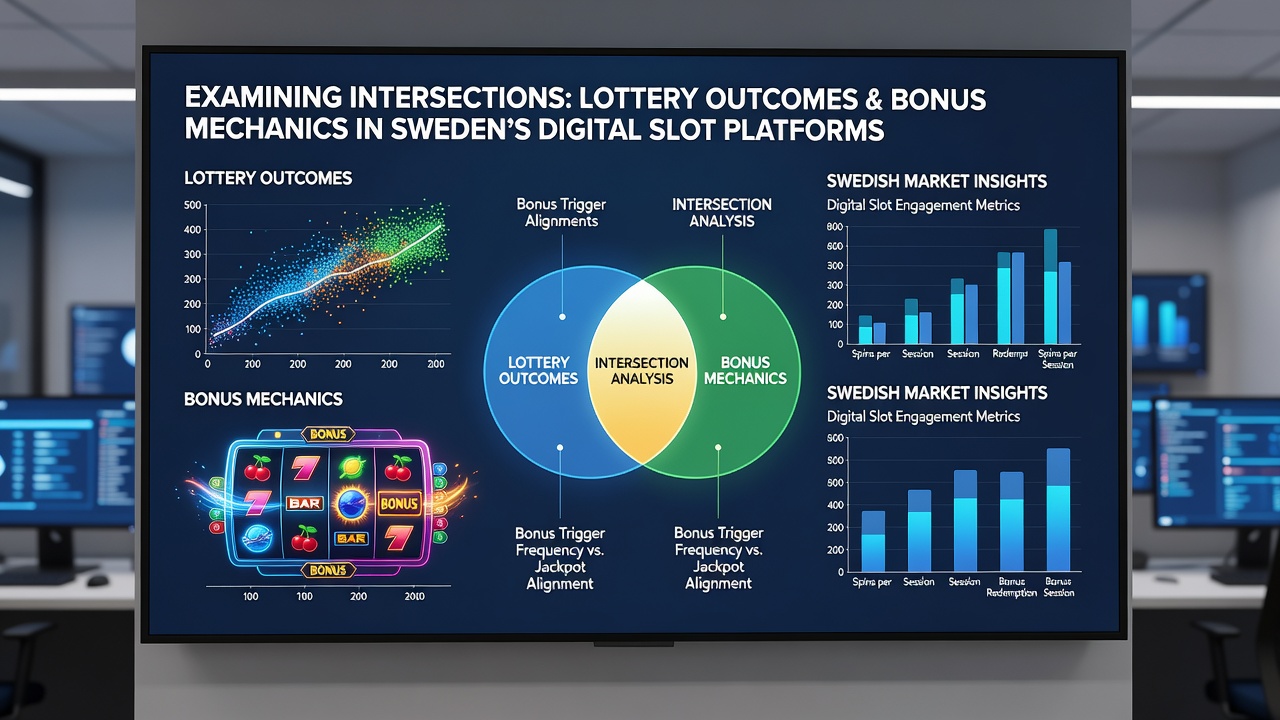
Studies of Swedish slot ecosystems demonstrate that bonus rounds triggered by lottery-style selections produce payout distributions that cluster around specific value ranges, and this clustering mirrors outcomes documented in standalone lottery analyses. Platform operators adjust these parameters during software updates to balance player retention with regulatory caps on maximum wins, which means the intersection points shift incrementally each quarter. Figures released through academic channels at institutions like the University of Melbourne's gambling research unit confirm that such adjustments maintain average returns within approved bands while allowing creative bonus layering.
Player Behavior Patterns Linked to These Intersections
Tracking data reveals that users on Swedish platforms tend to extend sessions when bonus mechanics incorporate visible lottery elements, such as numbered ticket collections or draw animations, because these visuals reinforce perceived fairness. Yet the underlying mathematics remains consistent with lottery generators, which means session lengths correlate with the combined probability of hitting both base wins and bonus entries. Reports from September 2026 highlighted temporary spikes in engagement metrics following platform refreshes that emphasized these shared mechanics, underscoring how regulatory transparency influences user trust levels across the sector.
Future Adjustments in Platform Algorithms
Developers continue refining the algorithms that blend lottery outcomes with bonus systems to meet evolving compliance standards, and industry observers expect further integration of real-time reporting tools that flag any statistical deviations. These changes will likely draw on broader datasets from multiple jurisdictions to refine probability models, ensuring Swedish platforms remain aligned with both national rules and international best practices. The result appears in more granular bonus structures that preserve the core intersections while introducing new visual layers for differentiation.
Conclusion
Sweden's digital slot platforms demonstrate clear structural links between lottery outcomes and bonus mechanics through shared random processes and regulatory reporting, which creates measurable effects on gameplay statistics and compliance data. As updates continue through 2026 and beyond, these intersections will shape how operators design features that satisfy both technical requirements and player expectations within the licensed market.